The first time I attempted a Cookcell pan, I didn’t newborn it. I heated it demanding on a fuel burner, patted a ribeye dry, salted it, then laid it in the pan with no greater oil. The steak stuck for the primary minute, then released and browned in a manner such a lot nonstick pans can’t manage. That changed into my creation to Cookcell’s hybrid surface, a stainless-steel mesh raised above a nonstick base. Since then I’ve scrambled eggs, diminished pan sauces, and established it edge through side with clad stainless and conventional PTFE nonstick. This cookcell pan review pulls in combination those periods, along side what the layout can and is not going to do, and who shall be happiest cooking on it.
What the hybrid floor in truth is
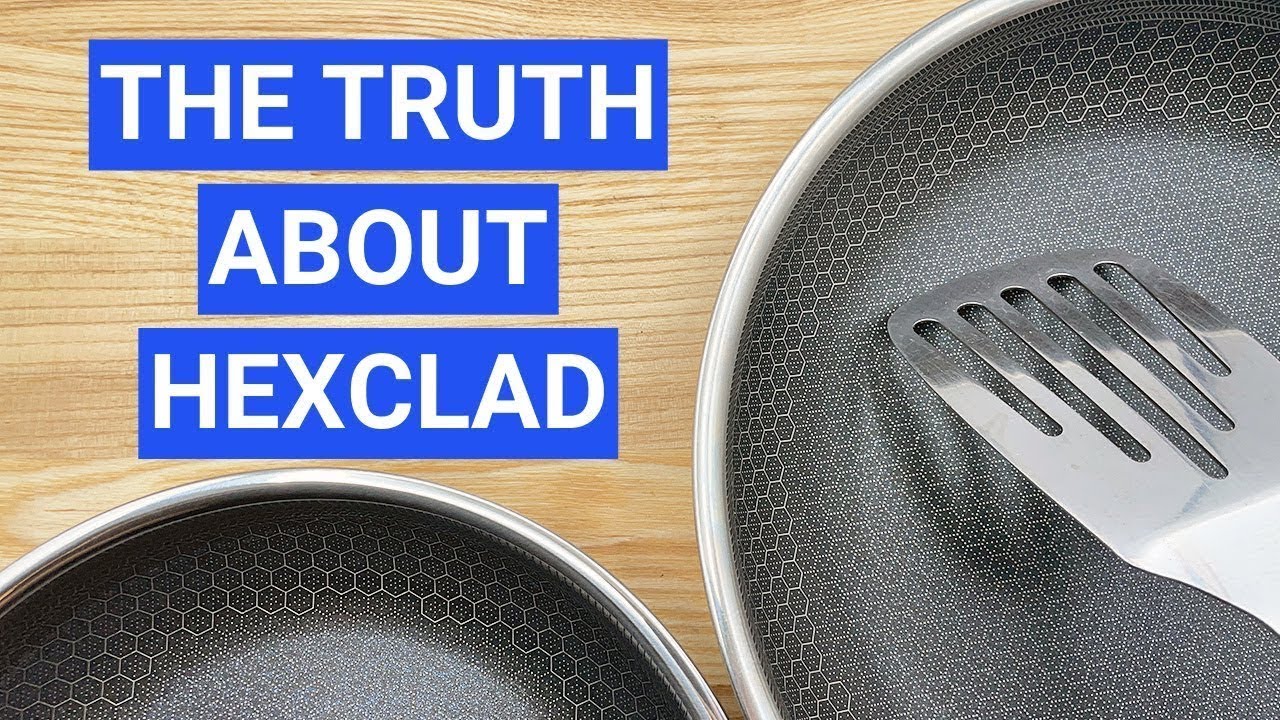
Cookcell builds a pan with a stainless-steel “honeycomb” sample fused above a PTFE nonstick coating. Think of it as islands of steel status a fragment of a millimeter proud, with nonstick veneer pooled inside the valleys. The pitch from the issuer is straightforward. The raised steel permits you to use metal utensils and offers you the browning improvement of metal touch. The valleys store delicacies from adhering and make cleanup more straightforward than bare stainless. It’s a compromise pan, no longer in simple terms nonstick and not only stainless.
Across two sizes I examined, a 10 inch and a 12 inch, the floor appeared consistent. No skinny spots inside the mesh, no visibly uneven patches of nonstick. The laser-etched metal grid feels fairly textured below a fingertip, essentially like satisfactory grit sandpaper, however it’s now not rough. Oil pools thinly, then wicks into the grid edges while heated. That conduct matters for searing and for eggs, and I’ll come to come back to it.
The body is tri-ply or equivalent multi-layer structure: stainless external, an aluminum core for warmth conduction, and a stainless interior that holds the mesh and nonstick. Weight is solid however not unwieldy. The 12 inch pan came in around 3 kilos without a lid, that is lighter than a few heavy 5-ply stainless pans but far heavier than funds nonstick. The control is riveted, remains delicate as much as medium-excessive heat, and angles up sufficient to save knuckles off the flame on a fuel selection.
Burner habits and heat distribution
Heat evenness matters greater than any novelty coating. On a 12,000 BTU gasoline burner, the two Cookcell sizes heated calmly ample to place a uniform crust on proteins. My IR thermometer showed a typical ring of top warmth over the flame perimeter, with a variety of approximately 35 to forty five stages Fahrenheit from hottest ring to midsection at medium-prime. That is superior than thin aluminum nonstick pans, which commonly demonstrate 60 plus degree swings, and a touch behind top class five-ply stainless which is additionally inside of 25 to 30 degrees. On an induction hob with a 9 inch coil, the Cookcell pan behaved admirably. The magnetic stainless base engaged cleanly, and heat unfold throughout the aluminum center without evident bloodless edges. If you’re cooking on induction, this pan is a snug have compatibility.
Preheating calls for a little bit persistence. Give it two to 3 minutes over medium to medium-excessive warmness to stabilize. Dropping meals right into a pan this is still ramping up will push proteins into the nonstick valleys sooner than they can set, which raises sticking probability, noticeably with eggs and fish. A speedy attempt is the oil shimmer. A teaspoon of neutral oil need to thin, transfer like water, and model faint ripples. At that level, the raised steel is hot adequate to start Maillard reactions.
Searing meat: the place the pan earns its keep
I attempted ribeye, strip steak, and bone-in red meat chops, each one approximately 1 to one.25 inches thick. The pan desires a chunk of fats to guide behavior heat into the metal grid. For steak, I wiped the pan with a 1/2 teaspoon of avocado oil. The first touch mostly concerns worker's. The red meat sticks evenly for the 1st minute, as it does even on stainless whenever you attempt to cross it too soon. Leave it alone. At the 90 moment mark, the crust begins to form and the beef releases with a easy tug.
The crust great falls between stainless and basic PTFE. Stainless alone gives you a deep, a little bit greater rugged sear, peculiarly at increased warmness. Plain PTFE pans, even prime quit ones, conflict to deal with satisfactory surface temperature lower than a thick steak. The Cookcell lands in that middle flooring. The raised steel receives scorching sufficient to char and brown convincingly, while the valleys preserve opposed to complete-on adhesion. I clocked a medium-uncommon ribeye, 127 Fahrenheit inside the middle after six mins total with a basting damage, and the surface carried a mottled, pleasing crust. After resting, the pan fond become offer however not thick. This is a quirk of the hybrid surface. The nonstick valleys stop some sugars and proteins from grabbing, so you get splotches of browned bits as opposed to a non-stop film.

With beef chops, the distinction was once greater important. Stainless produced a darker, more aggressive fond that translated to a meatier pan sauce. Cookcell produced enough fond for a uncomplicated relief, but if you want a restaurant-point sauce base, an absolutely stainless pan still wins. That spoke of, easy launch and even browning with less oil are clean blessings for weeknight cooking.
Deglazing and pan sauces
Sauces are the place hybrid pans in many instances get unfairly judged. The aim isn't to imitate a blackened chrome steel fond. The Cookcell surface generates islands of caught-on taste, and people islands deglaze really. For a steak au poivre riff, I poured off extra fat, further a tablespoon of minced shallot, and softened it for 20 seconds. A shot of cognac went in, flamed off, then heavy cream and cracked pepper adopted. The scattered fond dissolved effortlessly, giving the cream a beige tint and a delicate roast notice. If you’re used to scraping a stainless pan, you’ll find yourself stirring extra than scraping. There are purely fewer rough bits to chase.
Wine reductions behave in a similar way. A hen thigh sear left satisfactory browned be counted to tint a white wine pan sauce and strengthen a glossy finish after mounting with butter. I may now not use the Cookcell if my purpose had been a demi-glace-like discount built on a heavy fond, however for brief skillet sauces, it performs smartly, with one caveat. The honeycomb geometry can compile tiny pools of liquid. Use a silicone spatula with a flat facet to brush throughout the pattern, or tip the pan so the liquid gathers and boils the place the metallic is most popular. That improves aid speed and prevents patchy scorching.
Scrambled eggs and omelets
The cookcell pan evaluation has to quilt eggs given that that’s the acid take a look at for many domicile chefs. On naked stainless, eggs are an training in staying power and temperature control. On PTFE nonstick, eggs are straight forward but the surface can degrade if overheated or scratched. Cookcell sits between those reviews. With a immediate preheat and a part teaspoon of butter, scrambled eggs slide conveniently. The trick is to withstand high warmness. Keep it at medium or beneath. The raised metallic will brown eggs once you inch the dial too prime. That could be pleasing for a diner-flavor scramble, however for those who desire custardy curds, use gentler heat and prevent the eggs moving.
I did part-with the aid of-side assessments with three-day-outdated farm eggs and typical supermarket eggs. The farm eggs, with their more impregnable albumen, released more smoothly in the two pans, but the difference become modest. The hybrid surface didn’t require a silicone spatula, however it's far nonetheless most useful exercise. I demonstrated a stainless spoon for competitive scrambling and did now not break the floor, however I may prevent serrated edges. An omelet rolled cleanly at the 2-minute mark with simply a faint line wherein the fold creased throughout the mesh. If your precedence is gentle egg cookery with the least it is easy to effort, a pristine PTFE nonstick pan still wins via a small margin, primarily for French omelets. If you prefer one pan that handles eggs and searing without fuss, Cookcell strikes an inexpensive steadiness.
Fish, skin-on and smooth fillets
Salmon epidermis loves stainless whilst you nail the methodology, and it hates it should you pass over. Cookcell allows widen the margin. With dry dermis and a small swipe of oil, the fillet settled onto the metal grid, sputtered lightly, then launched on the 5-minute mark with a crisp sheet of skin. The epidermis’s microbubbles don’t get pressed down as frivolously as in a heavyweight stainless pan, so that you also can see a a little much less uniform chip, but the distinction is beauty. For refined fillets like cod or sole, the nonstick valleys earn their shop. The fish sets simply and resists tearing while you switch it. Again, watch your warmth. The raised metallic can bounce to a hotter sector than the valleys, which inspires patchy browning while you crank the dial to prime.
Vegetables and starches
Sautéed eco-friendly beans, asparagus, and zucchini prepare dinner predictably. The pan is blissful with a quick blister on dry-tossed greens, then a conclude with butter, garlic, or lemon. For potatoes, the hybrid floor is efficient however now not magic. Parboiled and dried potato cubes will crisp and unencumber with a little oil. Raw potatoes, distinctly Yukon Golds with larger sugar content, can weld to the metallic whenever you fail to preheat or once you flip too quickly. Give them time on the 1st facet except the sides display colour, then a confident flip with a spatula does the relax. Rice and noodles are user-friendly to toss in the event you get started with dry surfaces. Wet noodles will stick to something, which includes this pan.
Daily upkeep, cleaning, and long-time period durability
Maintenance is straightforward. Let the pan cool somewhat, then wash with warm water and a drop of dish soap. A cushy sponge lifts residue from the valleys. If you cook dinner sugary sauces or permit butter solidify, a short soak is helping. I actually have in some cases used a non-scratch nylon scrubber throughout the grain of the mesh for stubborn bits. Avoid metallic wool. The raised stainless will tolerate it, however the threat of scuffing the nonstick between the ridges outweighs any profit.
Seasoning will not be required. Some owners wipe a whisper of oil onto a warmed pan to beautify beading, however it’s not necessary. On the stovetop, the pan tolerates medium-excessive heat. I even have taken it to excessive for a fast sear, though I don’t propose sustained top warmth for minutes on cease. Like all PTFE-based totally coatings, extreme warm shortens existence. Cookcell markets oven security to a couple hundred degrees. In observe, I capped my tests at 450 Fahrenheit for ending steak and crisping poultry thighs. The maintain and rivets held corporation and not using a warping. I might now not broil with this pan right now beneath an point. Broilers spike to 500 plus and produce radiant warm that can punish any nonstick valleys.
As for metallic utensils, the raised mesh does a terrific process of protective the nonstick. Over numerous months, my try out pan confirmed faint polish marks on the metal from spatulas, but no flaking or bald patches in the valleys. Longevity with hybrid pans basically runs longer than vintage nonstick in case you avoid overheating. If you scramble eggs day by day at high warmth, you possibly can degrade any nonstick speedier than you're thinking that. Used sensibly, the Cookcell needs to deliver numerous years of good existence for a domestic cook dinner cooking three to five nights every week.
Weight, steadiness, and ergonomics
The 10 inch is the improved all-rounder if you prepare dinner for one or two workers. It matches a unmarried steak or 3 eggs and feels nimble adequate to toss greens. The 12 inch earns its counter space for families or all and sundry who loves to sear two steaks facet via part. The tackle’s angle favors stovetop keep an eye on. When I tilt for a pan sauce, the lip pours cleanly with no dribbling alongside the external. Rivets are exposed in the pan, like such a lot riveted cookware. Food can capture round them. That’s now not targeted to Cookcell, however it’s one of those small realities you word after the fourth or fifth sparkling-up.
Comparisons that clarify the choice
Home cooks incessantly ask whether a hybrid pan like Cookcell can change equally a stainless skillet and a vintage nonstick. It can for a few kitchens. If you prepare dinner in many instances weeknight fare, sear a bit of protein, conclude with a quickly sauce, scramble eggs on Sundays, and need one pan to do it, Cookcell covers that floor with fewer stuck-on frustrations than stainless and greater warmth resilience than pure nonstick. If you're keen on deep pan sauces and need fond that looks as if lacquer, store a stainless skillet. If your breakfast pursuits is all about smooth omelets and also you in no way would like to take into account sticking, prevent a dedicated nonstick too.
Hybrid rivalry exists. HexClad is the most obvious comparability, and there are different honeycomb hybrids out there. Differences commonly come down to address layout, weight, and the way aggressively the mesh protrudes. A more suggested mesh presents enhanced steel-utensil insurance plan but can suppose grabby with eggs. A curb-profile mesh is friendlier to soft foods yet less forgiving with a metallic fish spatula. Cookcell sits in a slight region, which fits generalist cooking.
Real kitchen scenarios
On a Tuesday, I made a skillet white meat with mustard cream sauce. Two bone-in thighs went skin-area down into a frivolously oiled, preheated 12 inch Cookcell. After 8 mins on medium, the pores and skin rendered and crisped with out tearing when I flipped. I entire the thighs in a 425 oven for 10 minutes. The pan got here to come back to the stovetop to deglaze with white wine, then shallot, Dijon, and a knob of butter. The fond turned into scattered but current, enough to offer the cream a savory depth. Cleanup took two minutes on the sink.
For brunch, I whisked 4 eggs with a splash of milk and salt, melted a 1/2 tablespoon of butter, and cooked over medium-low. The eggs pulled in gentle curds. A silicone spatula slid with no leaving streaks or tails. With chives in, the omelet folded well. If I have been chasing a conventional French omelet with an unblemished floor, I would use a slicker nonstick. For a tender American omelet with exploring cookcell products fillings, this became absolutely pleasant.
For a date nighttime, I seared two eight-ounce strip steaks, basted with butter, thyme, and garlic, and accomplished at 130 Fahrenheit. The crust become top browned, no longer blackened. A cognac pan sauce got here together with ease. The metal mesh was warm ample to push off the alcohol and combine the fond, but I did no longer get the identical intensity I get from my carbon metallic or stainless skillet. The trade-off became straight forward release and a sooner cleanup, which concerns at the give up of a long day.
Where the pan shines and the place it stumbles
Strengths are clear. It handles searing more advantageous than such a lot nonstick pans, cleans up swifter than stainless, and makes eggs truthful for those who intellect your warmness. It is appropriate with induction, gasoline, and electric. It tolerates steel utensils in all fairness. The creation feels reliable, with out hot spots dramatic adequate to derail dinner.
Limitations are equally factual. It received’t build the heavy fond you desire for a sauce-pushed meal supposed to affect a French grandmother. The raised mesh introduces a texture which could prove up on sensitive foods when you prepare dinner too hot, adding eggs and crepes. Although greater sturdy than classic nonstick, that is still a pan with a PTFE thing. Abusing it at excessive warm, peculiarly empty, will shorten its existence. And whereas the cost customarily undercuts some tremendous-call hybrids, that is still extensively greater high-priced than a decent entry-point nonstick.
Practical counsel to get the such a lot from it
- Preheat patiently on medium to medium-high until oil shimmers. This sets you up for launch with proteins and eggs. Use modest fat. A teaspoon of oil or a small knob of butter goes a long method on the hybrid surface. Let proteins launch. If meat sticks, supply it 30 extra seconds. The forming crust is familiar with while to let go. Keep eggs at medium or below. The raised metallic browns briefly while you push the warmth. Clean with a tender sponge and soapy water as soon as cooled. Save abrasive scrubbers for a further pan.
Who should buy it
If you're a dwelling house prepare dinner who wishes one pan that covers eighty percentage of nightly responsibilities, and also you do no longer prefer to fuss with stainless system whenever, the Cookcell is a smart selection. Apartment kitchens with restricted garage receive advantages from one pan which can sear, simmer a small sauce, and control eggs the subsequent morning. New chefs who're intimidated by using stainless but tired of exchanging low cost nonstick each 12 months will relish the hybrid frame of mind.
If you've got you have got a sturdy of pans and you like building sauces from a deep fond, avert your stainless skillet as your workhorse and understand the Cookcell as your egg and swift sear preference. If your priority is the slickest manageable floor for comfortable omelets and crepes at low heat, a splendid PTFE pan reserved for that objective stays the smoothest tool.
Notes on protection and materials
Cookcell makes use of a PTFE nonstick within the valleys. Used within normal cooking degrees and with out overheating, PTFE is good. The traditional cautions follow. Avoid empty preheating on high for increased classes. Don’t broil inches from a heating component. Ensure adequate air flow when searing. As for dishwasher use, hand washing extends any nonstick’s life. The pan will continue to exist an occasional run in the dishwasher, yet detergents and prime-heat drying cycles will age the coating faster.
Warranty, worth, and value
Price varies with dimension and keep. In accepted, Cookcell sits underneath the priciest hybrid brands and above mainstream PTFE pans. That positioning feels honest for what you get. If you cook a couple of nights per week, the price amortizes effectively over a couple of years. If you solely cook dinner once every week and don’t push a pan demanding, a price range nonstick maybe extra shrewd. Warranty phrases on the whole cowl manufacturing defects however not put on from frequent use. That’s known throughout cookware. Keep your receipt, and check up on the surface out of the container.
Final take
After months of recurring use, the Cookcell pan earned a gap at the rack. It sears superior than trendy nonstick, resists sticking with minimal fuss, and cleans right away. It makes eggs user-friendly if you hinder your warm in money, and it affords you sufficient fond to build weeknight sauces devoid of wrestling the pan. It is simply not a substitute for stainless when you need a sauce developed on a dense, glassy fond, and it is not very a magic pan that ignores the rules of warmth. It is a pragmatic hybrid that makes widely used cooking more straightforward whilst still letting you chase actual browning.
For a small kitchen or a cook who wishes one dependable skillet to do maximum jobs decently properly, it really is an appealing purchase. For individuals who already own a full lineup, don't forget it a bendy core flooring that bridges eggs, searing, and sauces with fewer change-offs than either stainless or uncomplicated nonstick by myself. Among hybrid preferences, the Cookcell lands in a realistic sweet spot, and that, greater than any marketing claim, is why it receives used.